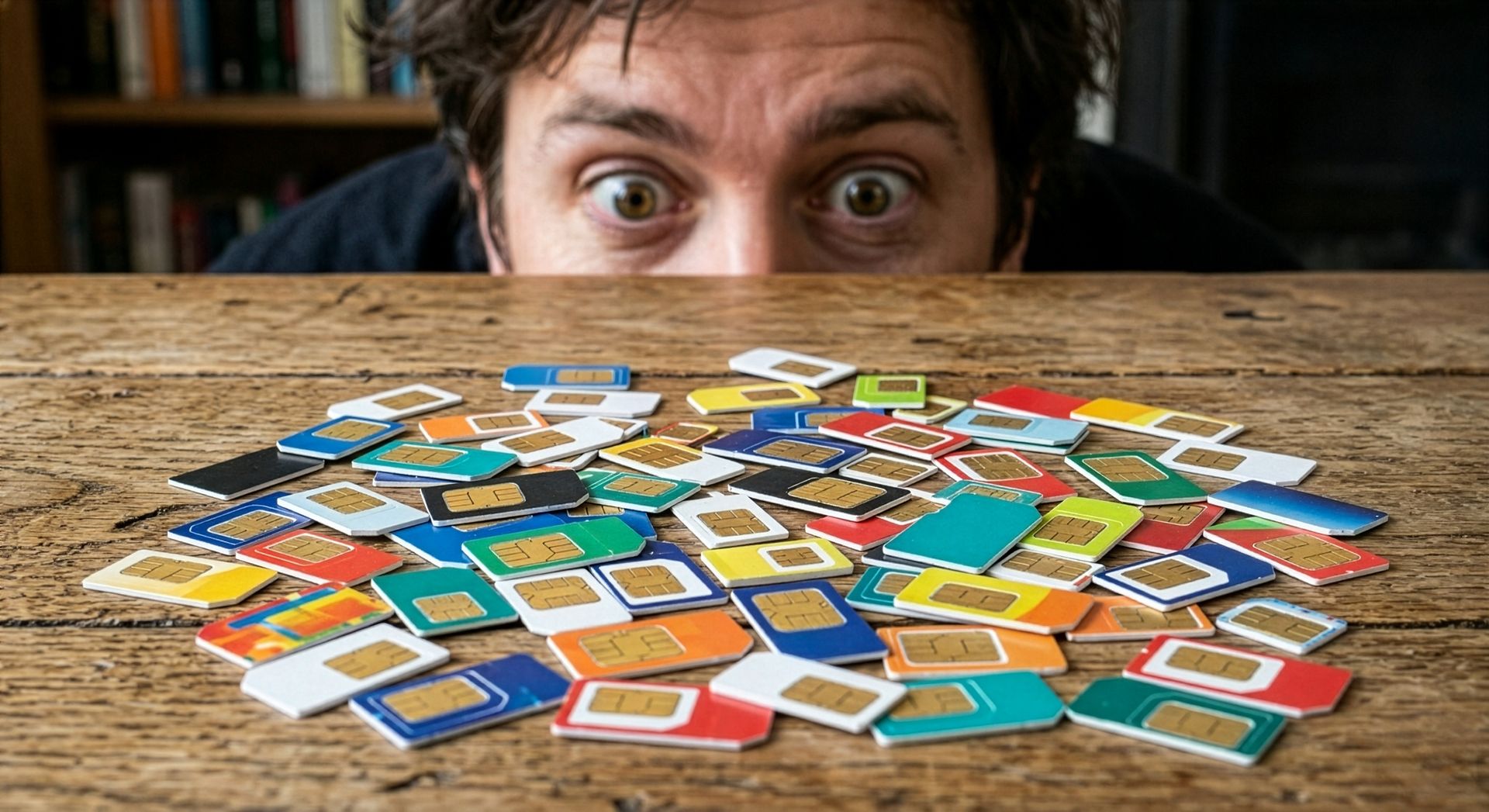

Changing your SIM card has never been easier. eSIM is a solution that eliminates plastic and simplifies your phone experience. You no longer have to swap cards or wait for a new one to arrive. Everything is done digitally, in minutes. Find out how it works and if it’s the right solution for you.
What is eSIM and how does it work in practice?
Educationally speaking, an eSIM is a chip built into a device that replaces a traditional SIM card. You don’t insert it manually—it’s part of the phone, smartwatch, or tablet. The operator assigns it a profile that works exactly like a traditional card.
This is a digital SIM card.
Activation involves scanning a QR code or downloading a profile from your carrier. After installation, you can make calls, send text messages, and use the internet. All without physically accessing the device.
How to activate eSIM step by step?
The process is quick and requires no technical knowledge. In most cases, it takes just a few minutes. Everything is done through your phone’s settings.
First, you select and purchase the appropriate eSIM. Then, you receive a QR code or activation link. You go to your network settings and add a new cellular plan. The system automatically recognizes the profile and installs it on your device.
Most often it looks like this:
- go to your phone settings and select “mobile network”;
- you add a new eSIM plan or profile;
- you scan the QR code from the operator;
- you confirm the installation;
- you set eSIM as your primary or secondary card.
Once setup is complete, you can use the network immediately. There’s no need to restart your phone or wait several hours for activation.
What devices support eSIM and is your phone compatible?
Not all devices support this technology. It’s most commonly found in newer smartphones, tablets, and watches. Manufacturers are increasingly abandoning physical slots in favor of eSIM.
Please check compatibility before purchasing or activating.
The most popular devices with eSIM are flagship smartphones and modern wearables, such as smartwatches. Your phone’s settings usually include a section for cellular plans. If you see the option to add an eSIM, your device is ready. Or, enter *#06# in the Phone app. If you see an EID number, your device supports eSIM.
Is eSIM secure and can you trust it?
Security is one of the biggest advantages of eSIM. The profile is stored in the device’s memory and protected by the operating system. It is more difficult to lose or damage.
This is an important advantage over the classic card.
Additionally, the operator can remotely deactivate the profile in the event of theft. Data is encrypted, and access requires authorization. This reduces the risk of unauthorized use.
What are the advantages and disadvantages of eSIM you need to know?
Technology offers great convenience, but it also has limitations. It’s worth understanding these before making a decision. This will help you avoid disappointment.
On the one hand, you gain mobility and fast operator switching. On the other, you depend on device compatibility and operator support. Not every country offers full eSIM support.
The most important pros and cons:
- no physical card – fewer problems with damage;
- quick activation – no need to visit a showroom;
- ability to use several numbers simultaneously;
- easy operator switching;
- limited availability with some operators;
- more difficult to change phone without access to the account;
- dependence on hardware compatibility.
If you travel frequently or use multiple numbers, eSIM offers great flexibility. You’ll also appreciate the convenience and speed of everyday use.
Will eSIM be useful for traveling and remote work?
This is one of the most common uses. An eSIM allows you to quickly purchase a local data plan without replacing your SIM card. This saves you time and avoids high roaming costs.
Just a few clicks.
You can have both a personal and work number. When traveling, you can activate local internet and leave your number for receiving calls. This is a convenient solution for freelancers and those working remotely.
Why is eSIM the future of mobile communications?
Technology is developing rapidly. More and more manufacturers and operators are introducing eSIM into their offerings. There’s a clear trend away from physical cards.
This is a direction that will become stronger.
Devices are becoming thinner, more durable, and better optimized. eSIM also enables integration with other services and automation. It’s a solution that simplifies the use of technology.
What do you need to remember about eSIM?
It’s a simple solution that transforms the way you use your phone. You don’t need a physical SIM card to access the network. Installation takes just minutes and is completely digital. If you value convenience and mobility, eSIM is a good choice.
FAQ – most frequently asked questions about eSIM
-
Does eSIM work without internet?
It works the same as a regular SIM card after activation. Internet access is only required to download the profile. After installation, you can use the internet normally. You don’t need a constant connection for eSIM to work.
-
Can I have both an eSIM and a regular SIM card?
Yes, many phones support dual SIM. You can use an eSIM and a physical card simultaneously. This is a convenient solution for separating work and personal life. You can choose which number is primary in the settings.
-
Is switching to an eSIM phone difficult?
It requires transferring your profile or reactivating it. This is typically done through your carrier account or a new QR code. The process is simple, but it requires access to your login details. It’s worth preparing this in advance.
-
Does eSIM use more battery?
There’s no noticeable difference in power consumption. The technology works in the background just like a traditional SIM card. The system manages connections automatically. In practice, you won’t notice any difference.
-
Does eSIM work abroad?
Yes, you can buy an eSIM plan online in minutes. It’s more convenient than searching for a local SIM card.